Customized Chemistry Tutoring for a Competitive Edge
Customized chemistry tutoring provides a significant advantage for students tackling complex scientific concepts. By focusing on individual learning styles, tutors can build personalized lesson plans that address individual strengths and weaknesses. This approach not only enhances understanding but also cultivates confidence. As students participate in targeted exercises and real-world applications, they come to see chemistry in a new light. What is it about this individualized method that creates a deeper interest in the subject?
Understanding Individual Educational Approaches
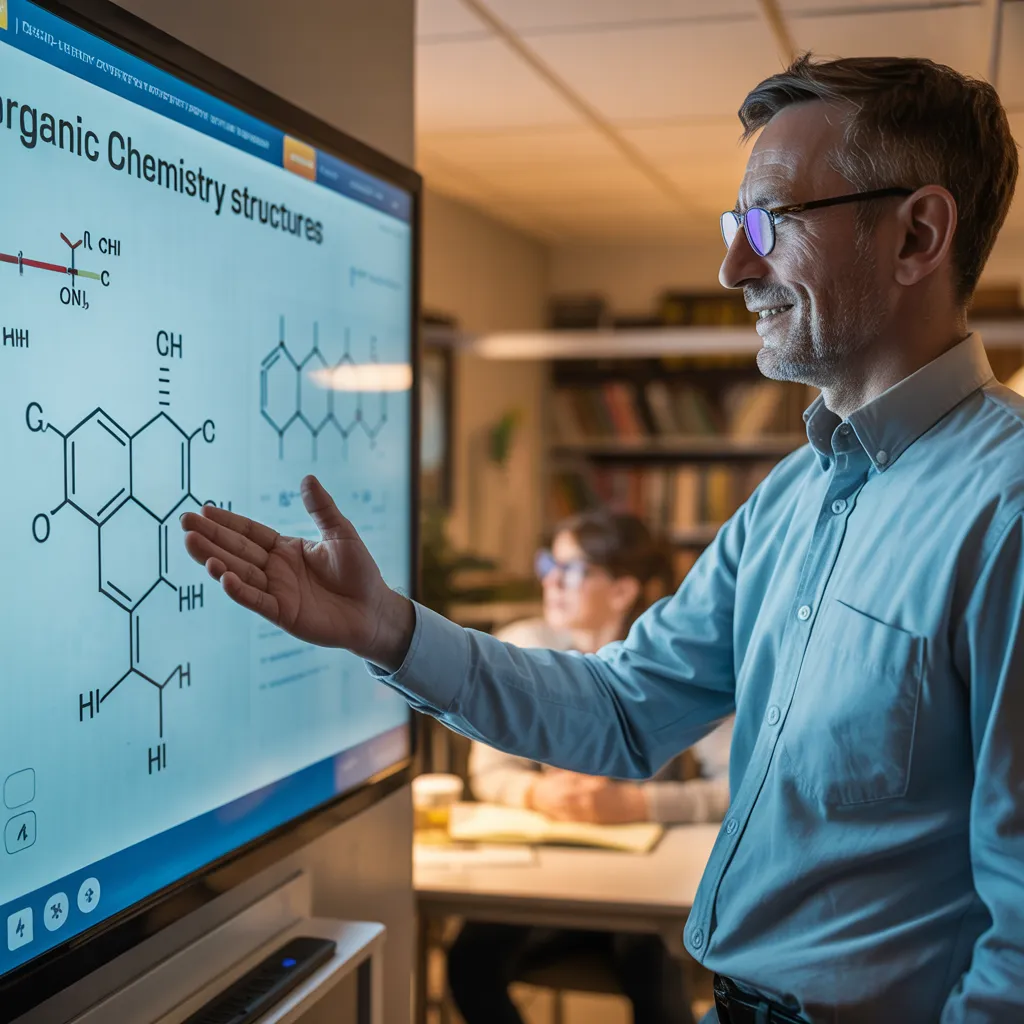
Grasping unique learning styles is vital for effective chemistry tutoring, as each student processes information differently. These styles can be generally categorized into visual, auditory, and kinesthetic learners. Visual learners thrive with diagrams, charts, and illustrations that depict chemical structures and reactions. Auditory learners flourish when concepts are communicated verbally, often understanding complex theories through discussion and lectures. Kinesthetic learners, in contrast, thrive on hands-on experiences, finding it simpler to understand chemical principles through experiments and physical manipulation of materials. Identifying these differences allows tutors to customize their approaches, enhancing student engagement and comprehension. By recognizing a learner's preferred style, tutors can establish a more conducive environment that promotes curiosity and understanding. This adaptability not only enhances retention but also develops a more deep appreciation for chemistry, ultimately producing improved academic performance and confidence in the subject.

The Critical Role of Personalized Tutoring
While traditional teaching approaches may serve some students well, personalized tutoring is crucial for tackling the specific needs of each learner in chemistry. Personalized tutoring provides an opportunity for students to interact with the subject matter at their own pace, allowing for deeper understanding of complex concepts. It fosters a supportive environment where students can ask questions without hesitation and receive immediate feedback, which is often absent in traditional classroom settings.
Furthermore, personalized tutoring can pinpoint and address specific weaknesses, enabling focused improvement in areas of difficulty. This personalized approach not only boosts comprehension but also fosters confidence, as students witness their progress firsthand. By adjusting to different learning styles and preferences, personalized tutoring enables students to take ownership of their education, ultimately leading to improved academic performance. The value of this tailored approach is essential, particularly in a demanding subject like chemistry, where foundational knowledge is vital for success.
Customized Lesson Plans for Efficient Learning
Tailored lesson plans serve a vital function in fostering successful learning in chemistry, as they cater to the distinct needs and abilities of each student. By assessing individual strengths and weaknesses, tutors can craft targeted instruction that aligns with students' individual learning styles. This approach empowers students to engage with the material more meaningfully, fostering greater understanding of intricate chemical concepts.
In addition, personalized lesson plans can feature varied resources and activities, such as interactive simulations, visual aids, and real-world applications, creating learning more dynamic and stimulating. By defining precise, achievable goals customized to each student, tutors can assist in monitor progress and adjust content as necessary, confirming that learners remain engaged yet supported. This adaptive method not only boosts comprehension but also promotes a positive learning environment, where students feel confident to explore chemistry assuredly, eventually leading to superior academic performance and a greater passion for the subject.
Developing Confidence By means of Individual Support
What role does individual chemistry tutoring play in boosting student self-confidence? One-on-one instruction permits students to examine challenging material at their preferred tempo, promoting enhanced mastery of the content. In a supportive environment, students can seek clarification without apprehension of negative evaluation, leading to increased clarity and reduced anxiety. The customized technique enables tutors to pinpoint every student's advantages and areas for growth, customizing instruction to expand current understanding while filling knowledge holes.
As learners comprehend challenging subject matter and resolve difficult problems, their confidence develops. The encouragement from a dedicated tutor bolsters their confidence in their capabilities, motivating them to approach more advanced material. This supportive relationship not only enhances academic performance but also cultivates a lifelong love for learning. Ultimately, one-on-one support in chemistry tutoring arms students with the self-assurance necessary to excel in their studies and future endeavors.
Improving Analytical Skills in Chemistry
Achieving mastery in chemistry problem-solving necessitates a strategic approach that can be substantially enhanced through focused tutoring. Successful tutoring sessions prioritize the identification of problem types and the application of relevant concepts. Tutors guide students in breaking down complex problems into manageable parts, developing a deeper understanding of underlying principles such as stoichiometry, thermodynamics, and chemical kinetics.
Furthermore, tutors support the use of visual aids, such as visual representations and graphs, to simplify abstract concepts. This approach not only enhances comprehension but also promotes retention. By working through various problems, students cultivate a flexible problem-solving toolkit, empowering them to tackle unfamiliar challenges with self-assurance.
Furthermore, tutors often implement practice with both quantitative and qualitative problems, providing a thorough skill set. As students participate in targeted exercises, they refine their critical thinking abilities, eventually boosting their overall performance in chemistry and preparing them for future academic goals.
Exam Preparation Through Personalized Approaches
During preparation for chemistry exams, students benefit from personalized study plans that focus on their individual learning needs. These adapted strategies can include targeted practice exercises meant to reinforce key concepts and strengthen problem-solving skills. By focusing on individual strengths and weaknesses, learners can improve their preparation and confidence for upcoming assessments.
Personalized Learning Plans
An individualized study plan can remarkably enhance a student's preparation for chemistry exams by synchronizing techniques with individual learning styles and strengths. This individualized technique allows students to emphasize key concepts that resonate with them, cultivating deeper comprehension and retention. By assessing each student's unique abilities, a tutor can develop a roadmap that highlights challenging topics while incorporating preferred study methods, such as visual aids or interactive discussions. Additionally, personalized study plans can include clear timelines and milestones, enabling students handle their time productively and reduce anxiety. Regular evaluations can be integrated to track progress and make necessary adjustments, making certain that the study plan remains agile and receptive to the student's evolving needs. Such customization ultimately enhances confidence and elevates overall performance.
Focused Practice Activities
Based on the foundation created by personalized study plans, targeted practice exercises act as an essential component in preparing students for chemistry exams. These exercises concentrate on specific areas where students may struggle, facilitating concentrated skill development. By using practice problems that mirror exam formats, students acquire familiarity with question types and build effective problem-solving strategies. Additionally, targeted exercises can expose common misconceptions and reinforce key concepts, guaranteeing a deeper understanding of the material. Through consistent practice, students can track their progress, identify weaknesses, and refine their study habits accordingly. Ultimately, incorporating targeted practice into their preparation boosts students' confidence and performance, offering them a competitive edge in their chemistry examinations.
Building a Lasting Interest in Chemistry
Cultivating a lifelong fascination in chemistry requires compelling learning experiences that spark curiosity. By relating concepts to real-world applications, students can see the relevance of chemistry in their day-to-day lives. This approach not only enhances understanding but also cultivates a enthusiasm for the subject.
Engaging Training Programs
Although countless students initially regard chemistry as an intimidating subject, captivating learning experiences can change this perception, sparking a passion for the sciences. Hands-on activities, such as hands-on experiments and collaborative projects, cultivate curiosity and promote exploration. By incorporating games and technology into lessons, tutors can develop a dynamic learning environment that grabs students' attention. Additionally, storytelling and real-life scenarios can make abstract concepts more relatable, enhancing comprehension. When students understand the relevance of chemistry in everyday life, they are more likely to develop a lasting interest. Ultimately, these engaging experiences not only enhance academic performance but also foster a genuine enthusiasm for chemistry, encouraging students to pursue knowledge beyond the classroom.
Real-World Use Cases
Real-world applications of chemistry act as a strong catalyst for stimulating student interest in the subject. By linking theoretical concepts to real-world situations, students can better appreciate the relevance of chemistry in various fields, such as medicine, environmental science, and technology. For example, understanding chemical reactions can illuminate the processes behind drug development and the importance of clean energy solutions. Additionally, practical experiments that simulate real-world scenarios can boost student engagement, making learning more interactive and engaging. As students investigate these applications, they often develop a deeper curiosity about the subject, begin here fostering a lifelong interest in pursuing continued knowledge in chemistry. This connection not only improves their academic experience but also prepares them for future pursuits in science-related professions.
FAQ
How Can I Locate a Certified Chemistry Tutor?
To identify a competent chemistry tutor, you should request recommendations, review online platforms for testimonials, verify credentials, and schedule interviews to determine teaching style and compatibility. Word-of-mouth suggestions typically offer the most credible options.
What Does Tailored Chemistry Tutoring Cost?
The price of customized chemistry tutoring services generally ranges from $30 to $100 per hour, determined by the tutor's qualifications, experience, and location. Additional factors may include class length and specialized curriculum requirements.
How Can I Keep Track of My Progress With a Tutor?
Following progression with a tutor includes setting specific goals, consistently evaluating performance through assessments, keeping a learning journal, and gathering feedback. Steady interaction about difficulties and successes helps ensure targeted and efficient learning strategies.
Are Online Tutoring Sessions as Effective as In-Person Ones?
Remote tutoring sessions prove to be as effective as traditional in-person sessions, contingent upon the student's educational approach and involvement. Both formats provide distinct benefits, with web-based sessions ensuring greater flexibility while face-to-face meetings promote face-to-face interaction and personal connection.
What Practice Materials Do Tutors Supply?
Instructors typically provide various resources for additional practice, including worksheets, web-based quizzes, interactive learning tools, and textbook recommendations. Such resources improve understanding and strengthen concepts, helping students to improve their competencies productively beyond sessions.